NCCI edits are the Medicare rules that decide which code combinations get paid and how many units of a test you can report in one day. They sit inside the claims system, run quietly, and reject anything that looks like unbundling or an impossible number of units. For an independent practice that performs its own diagnostic testing, they are the single most common reason a clean looking claim comes back denied. The good news is that they are published, predictable, and easy to work with once you understand the two kinds of NCCI edits and when a modifier is allowed to override one.
This guide explains what these edits are, how the procedure to procedure (PTP) and medically unlikely edit (MUE) tables work, when a modifier may legitimately bypass an edit, and how all of it applies to in office vascular and autonomic testing. It is written for physicians and billing staff who want fewer rejections and cleaner first pass payments, with every rule traced back to the Centers for Medicare and Medicaid Services (CMS).
What are NCCI edits?
The National Correct Coding Initiative is a CMS program that promotes correct coding and prevents improper payment. CMS runs it through two sets of automated edits. The procedure to procedure edits stop improper payment when incorrect code combinations are reported, and the medically unlikely edits stop improper payment when a service is reported with the wrong units. CMS publishes one table for physicians and practitioners and a separate table for outpatient hospital services, and it updates both the PTP and MUE files on a quarterly basis.
Because the files change four times a year, a code pair that paid cleanly last quarter can start denying this quarter. That is why the first rule of working these NCCI edits is to check the current quarter’s file rather than relying on memory. The NCCI edits themselves are free to download from the CMS National Correct Coding Initiative page, and many practice management systems load them automatically so a claim is scrubbed before it ever leaves the office.

How do procedure to procedure edits decide which code gets paid?
Each PTP edit is a pair of codes. CMS calls them Column One and Column Two. The Column One code is the more comprehensive service and stays payable. The Column Two code is treated as a component of the first and is denied when the two are billed together for the same patient on the same day. The logic is meant to catch unbundling, where a single service is split into parts that are each billed separately.
Every pair also carries a modifier indicator that tells you whether the edit can ever be overridden. The CMS NCCI Policy Manual and PTP edit guidance define three values:
- Indicator 0. The edit can never be bypassed. No modifier will separate the two codes, so the Column Two code is simply not payable on that day.
- Indicator 1. The edit may be bypassed when the medical record shows the two services were genuinely distinct, using an approved modifier. Documentation has to support the distinction, not just the modifier.
- Indicator 9. The edit has been deleted and no longer applies, which is why reading the current quarter’s file matters.
The practical takeaway is that a modifier is a key that only fits some locks. Before you append one, confirm the pair’s indicator. Appending a modifier to an indicator 0 pair does nothing except make the claim look like an override attempt on a service that was never separately payable.
What is a medically unlikely edit?
An MUE sets the maximum units of service a provider can report for one code, for one patient, on one date. CMS builds the limits from the code descriptor, anatomy, and ordinary clinical practice. If you report more units than the limit allows, the line denies, even when the work was done and documented.
MUEs are easy to trip without noticing because they are about quantity, not pairing. A bilateral study, a repeat measurement, or a test performed on more than one region can each push a line above its unit cap. When a genuine clinical reason supports the extra units, the fix is usually documentation and, where the code allows it, the correct anatomical or repeat modifier, not a second attempt at the same claim.
How do these edits apply to in office vascular and autonomic testing?
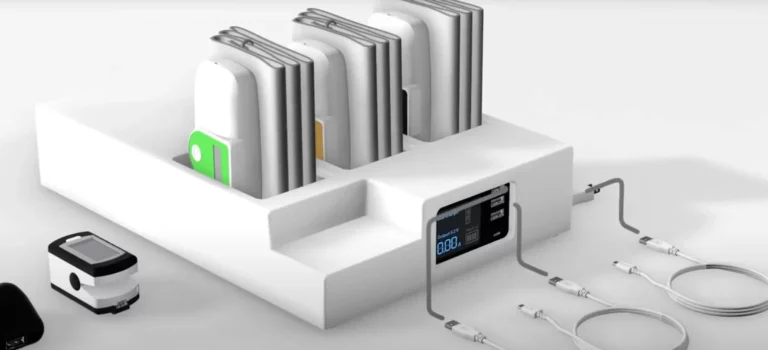
This is where a general coding article stops and real practice experience begins, because NCCI edits bite hardest on claims that report several related tests from one visit. The CMAT Advantage system that HealthWright Technologies supplies, built on FDA-cleared component devices from LD Technology, produces several results from one visit: an ankle brachial index study, a cardiac autonomic reflex battery, and sudomotor testing. In coding terms those map to a small set of codes that are frequently reported together, which is exactly the situation these NCCI edits watch. The codes we see in practice are 93923 for the physiologic vascular study, 95921 for the cardiovagal autonomic function test, and 95923 for the sudomotor test. None of this is coding advice for a specific claim; the interpreting physician chooses the codes that the documented, medically necessary findings support.
Two edit interactions come up constantly, and both are worth knowing before the claim goes out.
First, the MUE. The CMS practitioner MUE table sets a daily limit of two units for 93923. A practice can report the study twice in a day when both an upper extremity and a lower extremity study are performed and documented, and modifier 59 on the second line clears the procedure to procedure edit that would otherwise bundle them. The qualifier travels with the rule: both studies have to be performed and documented. Check the current quarter’s MUE value before you rely on it, because the figure can move.
Second, a point that surprises many billers. Getting past a bundling edit is not the same as getting paid in full. The second 93923 study on the same day is still subject to the multiple procedure payment reduction for diagnostic cardiovascular services, which trims the technical component of the second and later studies while paying the professional component in full. Modifier 59 unbundles the line; it does not exempt it from that reduction. The autonomic and sudomotor codes carry no such reduction and are paid at their full fee schedule amount. Knowing this up front means the expected payment matches the remittance, and nobody wastes a cycle appealing a reduction that is working exactly as designed.
The broader lesson for any practice adding in office diagnostics is that the NCCI edits reward a documented, symptom driven workup. Test patients who have documented symptoms or risk indications, record why each study was medically necessary, and the units and pairings tend to fall inside the NCCI edits on their own. For the mechanics of the vascular code itself, our ABI CPT code 93923 billing guide walks through the study line by line.
When can a modifier bypass an edit, and when can it not?
Modifier 59, and the more specific X modifiers that CMS prefers in its place, exist to tell the payer that two services which normally bundle were in fact separate and distinct on this encounter. They only work on a pair whose indicator is 1, and only when the record backs up the distinction. Our modifier 59 billing guide covers the distinct service standard in depth, and the same discipline applies to the other overrides. A modifier 25 on a same day evaluation and management visit, or a professional versus technical component split, each answer a specific edit question and none of them is a universal unlock.
Three habits keep modifier use clean. Confirm the pair’s indicator before appending anything. Make sure the documentation, not the modifier, carries the distinction. And never use a modifier to force a unit past an MUE limit, because MUEs are a separate control that distinct service modifiers do not address.
Seven rules to prevent bundling denials
- Scrub every claim against the current quarter’s files. CMS refreshes the tables four times a year, so last quarter’s clean pair is not a guarantee.
- Read the modifier indicator before you reach for a modifier. Indicator 0 means no override exists; indicator 1 means an override is possible with support.
- Let the record earn the modifier. A distinct service modifier is only honest when the documentation shows two genuinely separate services.
- Watch units, not just pairs. An MUE denial is about quantity. Confirm the daily limit for each code and document the clinical reason for any extra unit.
- Separate unbundling from payment reduction. Clearing a PTP edit does not undo a multiple procedure payment reduction, so set the expected payment accordingly.
- Tie every test to a documented, medically necessary indication. Symptom driven testing keeps pairings and units inside the NCCI edits and supports the claim on review.
- Confirm your Medicare Administrative Contractor’s local coverage policy. These NCCI edits are national, but coverage and documentation expectations are set by your MAC.
Practices that build these NCCI edits checks into the front of the billing workflow, rather than the appeals queue at the back, see fewer rejections and faster first pass payment. If you are standing up a new diagnostic line, our guides on incident to billing and coding the CMAT encounter pair naturally with this one.
What to do when a correct claim still denies
Even a well built claim gets rejected sometimes, and the fastest way to fix it is to read the remittance carefully before you resubmit anything. The remark code tells you which kind of edit fired. A bundling message points to a procedure to procedure edit, while a units message points to an MUE. Those two paths are not interchangeable, and treating one like the other is how a practice burns a cycle resubmitting a claim that was never going to pass as filed.
For a procedure to procedure denial, pull the pair and read its modifier indicator in the current quarter’s file. If the indicator is 1 and the chart genuinely supports two distinct services, append the correct distinct service modifier and resubmit with the documentation ready. If the indicator is 0, the component code is not separately payable that day, so the right move is to accept it rather than appeal. For an MUE denial, confirm the daily unit limit, make sure the record justifies every unit billed, and correct the units or add the supporting documentation before the claim goes back out.
Most denials that reach the appeals queue could have been caught at the front desk. A short internal checklist that runs the NCCI edits, confirms the indicators, and checks the units before submission turns the majority of these rejections into clean first pass claims. The practices that pay the least in rework are the ones that treat the NCCI edits as a pre submission step, not a post denial scramble.
Frequently asked questions
How often does CMS change these edits?
Quarterly. CMS updates the procedure to procedure and medically unlikely edit files four times a year, so a code combination that paid last quarter can begin to deny after an update. Check the current file before relying on any pairing or unit limit.
Does appending a modifier always get a bundled code paid?
No. A modifier only overrides a pair whose modifier indicator is 1, and only when the documentation supports a distinct service. On an indicator 0 pair, no modifier will separate the codes, and the component code is not separately payable that day.
What is the difference between a PTP edit and an MUE?
A procedure to procedure edit looks at code combinations and bundles one code into another. A medically unlikely edit looks at a single code and caps the number of units you can report for one patient in one day. A claim can clear a PTP edit and still hit an MUE, because they control different things.
Why was my second diagnostic study paid at a lower rate even after it was unbundled?
Because unbundling and payment reduction are separate steps. A distinct service modifier gets the second study past the bundling edit, but the multiple procedure payment reduction still trims the technical component of the second and later same day cardiovascular studies. The reduction is working as designed and is not an error to appeal.
Getting in office testing billed right from day one
Correct coding is one of the biggest reasons an in office diagnostic program pays for itself or becomes a source of denials. HealthWright Technologies supplies diagnostic systems to independent practices across the United States, with training and billing guidance built into the package. If you want to see how in office vascular and autonomic testing fits your practice, you can learn more about the CMAT Advantage system or reach us through our contact page to request a demonstration, and we will follow up.
This article is general coding and billing education, not coding advice for a specific claim or a guarantee of payment. Code selection, documentation, and billing are the responsibility of the treating provider and must reflect each patient’s documented, medically necessary findings and the provider’s Medicare Administrative Contractor coverage policy. Consult your healthcare provider before starting any new treatment.
CPT is a registered trademark of the American Medical Association. All CPT codes and descriptions are copyright the American Medical Association. The CPT references here are provided for educational purposes and do not represent coding advice.
Ready to see the CMAT Advantage in your practice?
Book a free 25-minute demo: see the full PAD + autonomic workup and how the three established CPT codes apply, with no obligation. Backed by our 60-day buyback guarantee.
Book a Free Demo →