Vascular Testing for Rheumatology Practices: 8 Clinical Essentials
What in-office arterial and autonomic testing measures in a rheumatology panel, which patients warrant it, and which patients the equipment excludes.


What in-office arterial and autonomic testing measures in a rheumatology panel, which patients warrant it, and which patients the equipment excludes.

Vascular testing for pain management answers one question with a measured number: does this leg or foot pain have a circulatory cause? Non-invasive arterial and autonomic studies (the ankle-brachial index, the toe-brachial index, waveform recording, and autonomic reflex testing) separate peripheral artery disease (PAD) from neuropathy and radiculopathy. It matters because the bedside differential is…

What each of the six TM-Flow report sections measures, and the reference bands the software prints beside every result.

Incident to billing lets a staff-furnished service be billed under the physician NPI at the full fee schedule amount. The 7 conditions, the 2026 virtual supervision change, and why diagnostic tests follow a different rule.

Critical limb ischemia is peripheral artery disease plus rest pain, gangrene, or a non-healing wound. The seven warning signs and when to refer.

G0438, G0439 or G0402? A CMS-sourced guide to the annual wellness visit CPT code, its required elements, and the rules behind the most common denials.

Intermittent claudication is reproducible muscle pain, cramping, or fatigue in the legs that comes on with walking and eases within a few minutes of rest. It is the classic symptom of peripheral arterial disease (PAD), the atherosclerotic narrowing of the arteries that supply the lower limbs. When a patient describes leg discomfort that appears at…

Diagnostic testing for value-based care is the use of in-office diagnostic tools to evaluate indicated patients, document risk, and close the quality gaps that value-based payment models reward. In a fee-for-service world, a test earns a claim. In a value-based world, the same test earns something more durable: better quality scores, fewer avoidable hospitalizations, and…
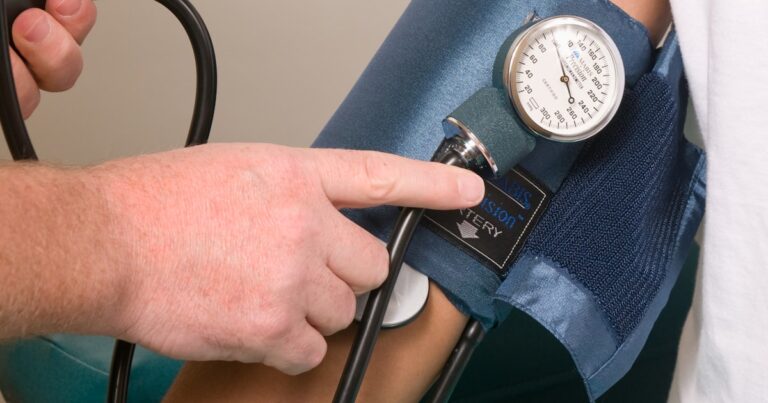
Pulse volume recording (PVR) assesses limb perfusion when a calcified ABI reads falsely normal. See PVR waveforms, cuff levels, and when to use it.

Orthostatic hypotension testing is the in-office measurement of how a patient’s blood pressure and heart rate respond to standing, used to evaluate a common contributor to falls in older adults when symptoms or a fall history are documented. The consensus definition is a sustained drop of at least 20 mmHg systolic or 10 mmHg diastolic…