Medical Practice Supply Inventory Management: 7 Practical Rules
How to set par levels from real test volume, assign the reorder decision, and stop a mid-clinic stockout of single-use testing supplies.


How to set par levels from real test volume, assign the reorder decision, and stop a mid-clinic stockout of single-use testing supplies.

What an in office autonomic battery covers for a neurology practice, what it does not, the CPT codes involved, and how to document medical necessity.

No single federal rule sets a maintenance schedule for the diagnostic equipment in an independent physician’s office. That surprises most practice administrators, because nearly everything written about medical equipment maintenance is written for hospitals, where accreditation surveys and a staffed biomedical engineering department drive the whole program. A four-provider practice with an ABI system, an…
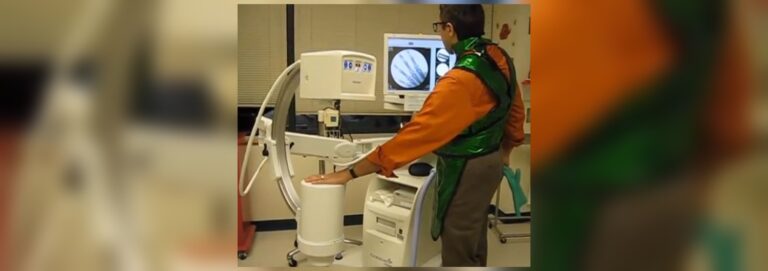
What a physician office actually needs to run a mini C-arm: state registration, the FDA source-skin rule, shielding, operator credentials, and dose logging.

How geriatric practices order in-office arterial and autonomic studies against documented symptoms, what the autonomic battery measures, and how it fits a visit.

What an advance beneficiary notice is, when an in-office diagnostic test needs one, the 2026 CMS form change, and which modifier belongs on the claim.

Modifier 26 bills the physician half of a diagnostic test and modifier TC bills the technical half. Most practices that own their equipment bill neither.

TM-Flow test preparation from the reminder call to the last check before recording: patient instructions, room temperature, positioning, cuff and electrode placement, and cleaning between patients.

Targeted probe and educate is a Medicare medical review with up to three rounds. What reviewers look for, and how to document in-office diagnostic testing.

Which tests actually sample small nerve fibers, why nerve conduction studies read normal, and how in-office autonomic studies fit an independent practice workflow.