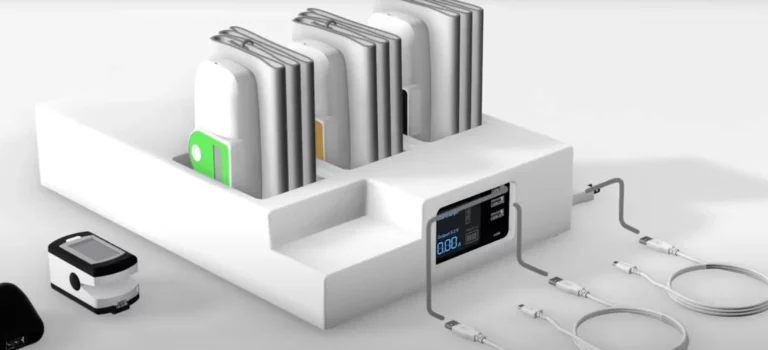
Quick answer: Wound care clinics that integrate vascular and neuropathy testing with the CMAT Advantage™ system can identify underlying circulatory deficits contributing to non-healing wounds in a single 7 to 10 minute assessment. Early evaluation of Peripheral Arterial Disease and autonomic neuropathy through ABI, TBI, and sudomotor testing improves wound healing outcomes and is billable under CPT 93923 and 95923 when medically necessary and documented per the applicable Medicare LCD.
Why Is Vascular Testing Critical in Wound Care Settings?
Chronic non-healing wounds affect approximately 6.5 million patients in the United States annually, with an estimated treatment cost exceeding $25 billion per year according to research published in the journal Wound Repair and Regeneration in 2009. A significant percentage of these wounds fail to heal because the underlying vascular insufficiency is never identified. The CMAT Advantage™ system addresses this gap by providing comprehensive vascular assessment — including Ankle-Brachial Index (ABI), Toe-Brachial Index (TBI), and volume plethysmography — directly in the wound care clinic without requiring a separate vascular lab referral.
Identifying PAD in wound care patients changes the treatment trajectory. Patients with an ABI below 0.9 have documented impaired wound healing, and those below 0.5 often require vascular intervention before wound treatment can be effective. Without objective testing, these patients receive wound care that addresses the symptom but not the cause.
How Does Autonomic Neuropathy Affect Wound Healing?
Autonomic neuropathy disrupts the body’s microvascular regulation — the small-vessel blood flow that delivers oxygen and nutrients to healing tissue. The CMAT Advantage™ system’s sudomotor function testing and Heart Rate Variability (HRV) assessment quantify autonomic nervous system health, providing wound care clinicians with data that standard wound assessment protocols miss. In diabetic patients, who represent a large proportion of chronic wound cases, cardiac autonomic neuropathy (CAN) may be present in up to 60% of patients with type 2 diabetes after 15 years, per the American Diabetes Association position statement on diabetic neuropathy (Pop-Busui et al., Diabetes Care, 2017).
When autonomic dysfunction is identified, clinicians can adjust wound care protocols, optimize glycemic management, and set more realistic healing timelines for patients and their families.
What Does a CMAT Advantage Testing Workflow Look Like in a Wound Care Clinic?
Integrating the CMAT Advantage™ system into a wound care clinic workflow typically follows a 5-step process. First, test wound care patients whose presentation supports vascular assessment during the initial evaluation — the 7 to 10 minute non-invasive test fits naturally into the intake process. Second, use ABI and TBI results to stratify patients by vascular risk, identifying those who need vascular surgery referral before wound treatment will be effective. Third, assess autonomic function through HRV and sudomotor testing to evaluate microvascular health. Fourth, document results in the patient record and use them to guide treatment planning. Fifth, repeat testing at clinically appropriate follow-up intervals, when medically necessary, for patients with identified vascular or neuropathic deficits to track improvement or deterioration.
This systematic approach ensures that wound care is treating root causes alongside symptoms, improving overall healing rates and reducing time-to-closure for chronic wounds. For the follow-up side of the protocol, including a re-test schedule and the metrics that show a wound is responding, see our guide to peripheral circulation assessment and wound follow-up.
What Reimbursement Opportunities Exist for Vascular Testing in Wound Care?
Vascular and autonomic testing performed with the CMAT Advantage™ system is billable under established CPT codes. ABI testing falls under CPT 93923 (complete bilateral study), with reimbursement that varies by the study performed, payer, and geographic region. Autonomic function testing is billable under CPT 95921 and 95923. For wound care clinics seeing 8–12 patients per day, adding objective vascular testing for clinically indicated patients supports documented, billable services while simultaneously improving clinical outcomes.
How Does Vascular Testing Improve Wound Care Outcomes and Reduce Readmissions?
Wound care clinics that implement structured vascular testing report measurable improvements in two key metrics: time-to-wound-closure and readmission rates. By identifying vascular insufficiency at intake rather than after weeks of unsuccessful treatment, clinicians can redirect patients to appropriate vascular interventions sooner. This reduces the average number of wound care visits per episode, lowers supply costs per patient, and improves patient satisfaction scores. For hospital-affiliated wound care centers, reduced readmission rates also impact value-based reimbursement programs and quality reporting metrics.
Frequently Asked Questions
How long does CMAT Advantage testing take in wound care? The complete assessment takes 7 to 10 minutes and is non-invasive, fitting naturally into the initial wound care evaluation.
What CPT codes apply? ABI testing falls under CPT 93923, and autonomic function testing under CPT 95921/95923. Reimbursement varies by payer and region.
Which patients warrant testing? Patients whose presentation supports vascular assessment, with a non-healing lower extremity wound the classic indication; diabetic patients often warrant priority.
Does this replace a vascular lab referral? No — it provides point-of-care risk stratification that identifies which patients need a full vascular lab workup.
What training is required? HealthWright Technologies provides comprehensive staff training. Training requirements depend on the practice and on state scope-of-practice rules.
Ready to improve wound healing outcomes with vascular testing? Contact HealthWright Technologies at (678) 322-7146 or email contact@healthwrighttechnologies.com to learn how the CMAT Advantage system integrates into wound care workflows.
Disclaimer: CPT codes referenced in this article are provided for informational purposes only and do not guarantee reimbursement. Verify code applicability and coverage with each payer.
Ready to see the CMAT Advantage in your practice?
Book a free 25-minute demo: see the full PAD + autonomic workup and how the three established CPT codes apply, with no obligation. Backed by our 60-day buyback guarantee.
Book a Free Demo →